Insider Trading Explained: Legal Rules & Strategy

Insider trading is the buying or selling of a public company's stock based on material nonpublic information (MNPI) — information that hasn't been released to investors and would likely move the stock price if it were. It is not automatically illegal: what separates a lawful trade from a securities crime is who knew what, whether they had a duty to keep it confidential, and whether the trade was properly disclosed. This guide walks through that legal line, shows how it plays out in real scenarios, explains how the SEC catches violators, and — because insider disclosures are public record — shows how a retail trader can turn that legally available data into a rule-based, backtested strategy.
What Is Insider Trading?
Insider trading happens when someone trades shares of a public company's securities while in possession of MNPI — nonpublic facts that a reasonable investor would consider important, such as an unannounced earnings miss, a pending acquisition, or a failed drug trial. The information doesn't have to come from inside the company; anyone who receives it improperly and trades on it can be implicated.
Corporate insiders — executives, directors, and employees who have regular access to confidential company data — sit at the center of this rule because they owe the company and its shareholders a fiduciary duty: a legal obligation to act in shareholders' interest rather than use privileged access for personal gain. That duty is what makes trading on MNPI a breach of trust, not just an information advantage. This is also where a platform like Quberas becomes relevant to retail traders — because while acting on private information is off-limits, the same insiders' disclosed trades are public data that can legally be studied and systematized into a trading rule, rather than guessed at.
Legal vs. Illegal Insider Trading
The single principle that governs everything else in this topic is disclosure and timing. Corporate insiders are allowed to buy and sell their own company's stock — the law doesn't ban insiders from investing in the company they work for. What it bans is trading while holding MNPI that hasn't been made public, or trading in a way designed to dodge that rule.
Two mechanisms keep insider trading legal:
- SEC Form 4 disclosure requirement — insiders must publicly report most trades in their own company's stock relatively soon after execution, so the market can see the transaction.
- 10b5-1 trading plan — a pre-arranged, written schedule for buying or selling shares, set up when the insider does not possess MNPI, which lets them trade automatically on a fixed calendar even if they later come into possession of sensitive information.
The distinction that matters is trading on MNPI versus trading on disclosed positions. An executive who sells shares according to a 10b5-1 plan set months earlier is trading legally, even if the stock drops right after — the trade was scheduled before any nonpublic knowledge could taint it. An executive who sells the day before a negative announcement, with no such plan in place, is a textbook illegal insider trading red flag.
How Insider Trading Works: Real-World Examples
Example of illegal insider trading
A common pattern involves a tipper/tippee relationship: someone with access to MNPI (the tipper) passes it to another person (the tippee), who trades on it. Picture a company's finance director who learns, ahead of the public announcement, that the firm is about to be acquired at a large premium. If that director buys shares personally, or tells a friend to buy before the news breaks, both people can be liable — the director for trading on and disclosing MNPI, the friend for trading on it knowingly. Neither the size of the trade nor the "innocence" of the tippee changes the underlying violation: MNPI moved outside proper channels before the market had it.
Example of legal, disclosed insider trading
Now picture the same director buying shares of their own company two weeks after a strong earnings report has already been published — with no pending nonpublic catalyst — and reporting that purchase through the required insider filing shortly afterward. That's legal insider buying: the information the market cares about is already public, and the trade itself gets disclosed for anyone to see. This is the category of activity retail traders can actually observe and use — not the leaked-tip scenario, but the routine, filed, after-the-fact insider transaction.
Insider Trading Laws, Penalties, and Enforcement
Insider trading laws and penalties are enforced primarily through the SEC, which can pursue civil cases, and through the Department of Justice, which can pursue criminal charges when conduct is willful. Civil penalties typically involve disgorgement of profits and monetary fines; criminal penalties can include prison time for individuals found to have knowingly traded on or tipped MNPI. The exact severity depends on the facts of each case — how much profit was made, whether the person had prior violations, and whether they cooperated with investigators.
SEC enforcement doesn't rely only on internal surveillance. Whistleblower reporting programs let employees, compliance staff, or even outside parties report suspected insider trading, sometimes in exchange for a portion of any monetary sanctions collected. This combination of trading-pattern analysis and human tips is what makes insider trading one of the more consistently prosecuted areas of securities law.
How to Track Insider Trading: SEC Form 4 Filings and Screeners
Every open-market trade a corporate insider makes in their own company's stock generally has to be reported on SEC Form 4, a short filing that discloses the insider's name, role, the number of shares bought or sold, the price, and the date. These filings are public and searchable, which is what makes insider activity usable as a data source rather than just a compliance formality. Filing deadlines are set by the SEC specifically to keep this information timely, so the market sees insider activity soon after it happens rather than months later.
Reading raw filings one by one doesn't scale, which is why most active traders use an insider trading screener or dashboard — a tool that aggregates Form 4 data across thousands of companies and lets you filter by sector, transaction size, or insider role. The metric worth watching closely is the insider buying vs. selling ratio: a cluster of multiple executives buying shares with their own money, especially outside routine compensation-related sales, is a stronger signal than a single transaction, since insiders sell for many personal reasons but rarely buy without conviction.
How Insider Trading Gets Detected and Prosecuted
Illegal insider trading is usually caught before anyone confesses. SEC trading surveillance systems flag unusual trading pattern analysis results — for example, a spike in call-option buying in a stock right before an unannounced merger, concentrated among accounts with no prior history of trading that name. Investigators then work backward: tracing brokerage relationships, phone records, and personal connections to see whether the trader could plausibly have accessed MNPI through a tipper.
From there, cases move into formal SEC enforcement actions, which can be resolved through settlement or litigated in court, sometimes alongside parallel criminal charges. The pattern-detection side of this process is exactly why illegal insider trading is hard to sustain at scale — the same statistical anomalies that make an SEC investigator curious are visible, in principle, to anyone else scanning trading data, which is part of why the legal, disclosed side of insider activity has become such a widely followed public signal.
Using Insider Trading Data to Build a No-Code Trading Strategy
Because Form 4 filings are public, timestamped, and structured, they translate cleanly into rules a trading system can act on — no manual reading required once the logic is defined. This is the practical bridge between "insider trading is legal to observe" and "insider trading data can inform a strategy."
Turning insider-buying signals into entry conditions
In Quberas, you build this logic visually rather than writing a script. Using the platform's condition builder, you can define an entry rule such as: multiple insiders buying within a defined window, above a minimum dollar threshold, combined with a price or volume filter from the chart itself. Because the builder supports nested logic, you're not limited to a single trigger — you can require the insider-buying signal and a technical confirmation (like the stock holding above a moving average) before the strategy treats it as valid.
Backtesting an insider-signal strategy before going live
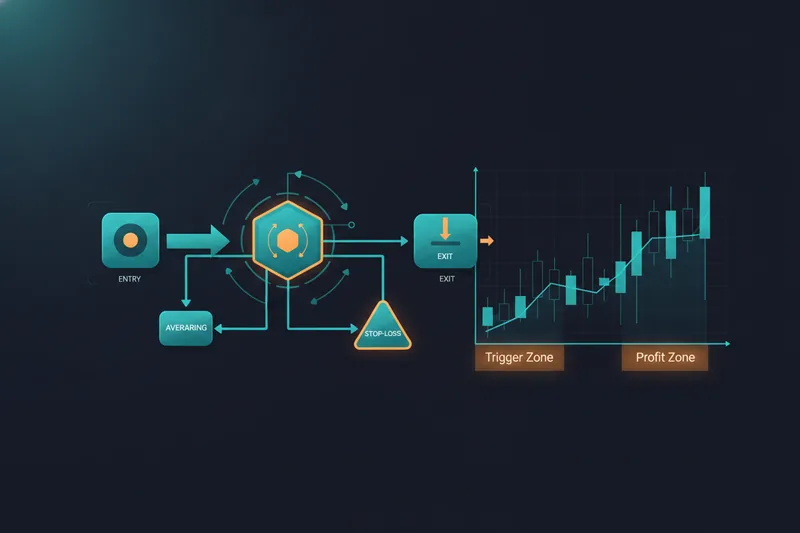
Once the entry logic is defined, it becomes part of a full deal map — the visual sequence covering entry, any averaging orders, exit targets, and a stop-loss, laid out so you can see the whole trade lifecycle at a glance rather than buried in parameters. Before risking capital, you run this deal map through Quberas' backtesting engine against historical price data to see how an insider-buying-based entry would actually have performed. The visual debugger then highlights the exact chart zones where each condition triggered — or nearly triggered — so you can tell whether your insider-buying threshold is catching real signal or just noise, and adjust it accordingly before considering a live run.
FAQ
What is the 11am rule in insider trading? There's no SEC rule by this name specific to insider trading; the "11 a.m. rule" people sometimes reference is a general day-trading guideline about waiting until mid-morning volatility settles before entering trades, not a legal standard governing MNPI or Form 4 disclosure.
Is insider trading always illegal? No. Insiders can legally buy and sell their own company's stock when they aren't in possession of MNPI, and they can trade on a pre-set 10b5-1 plan. What's illegal is trading on material nonpublic information or tipping someone else who trades on it.
How is insider trading punished? Illegal insider trading can result in civil penalties such as disgorgement of profits and fines, and in criminal cases, prison sentences, depending on the severity and intent behind the conduct.
Can retail traders legally use insider trading data? Yes. Once an insider's trade is filed on Form 4, it's public information. Retail traders can legally track, aggregate, and build strategies around that disclosed activity — the legal boundary only applies to trading on information before it's disclosed.
See how to turn public insider-trading data into a visual, backtested strategy — try Quberas free and build your first rule-based bot without writing code.